
Darkest Dungeon II Worth It? Combat, Kingdoms & Value
Is Darkest Dungeon II worth it? Explore tactical combat, long runs, Kingdoms campaigns, and Steam features to decide whether this brutal sequel fits you.
Jump to
Is Darkest Dungeon II Worth Playing?
Yes, the tactical combat and two distinct campaign structures make Darkest Dungeon II worth it for players who enjoy difficult turn-based RPGs. Confessions rewards experimentation across repeated expeditions, while Kingdoms adds a persistent roster and realm defense. Long runs and punishing losses make it a tougher sell if you want steady, predictable progress.
The purchase decision comes down to whether you enjoy building a team, discovering its weaknesses, and adjusting after failure. There is substantial strategy here, but unlocking more options takes patience, and a promising expedition can still collapse late.
| Mode | Campaign structure | Central challenge |
|---|---|---|
| Confessions | Four heroes travel toward the Mountain in expeditions lasting 30 minutes to several hours | Adapt your party and resources through successive regions and boss encounters |
| Kingdoms | A separate strategic campaign with a persistent hero roster | Defend the realm, gather resources, and pursue the enemy threat |
For returning fans, that distinction matters. Confessions moves away from the original game’s town-centered campaign. Kingdoms brings persistent roster management and broader planning into the sequel, giving you another substantial reason to return.
Combat Makes Team Building Worth the Effort
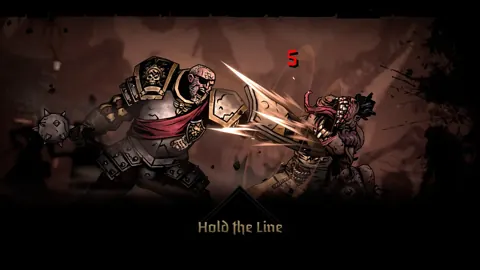
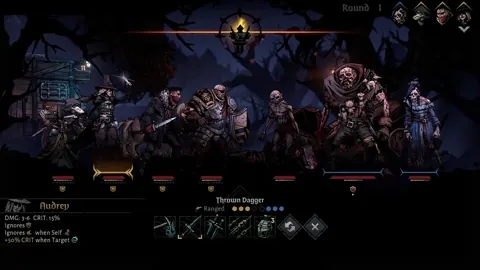
Combat gives you more to consider than which attack deals the largest number. Heroes and enemies occupy four ranks, and abilities have restrictions on where they can be used and which positions they can target. A powerful attack contributes little when the dangerous enemy sits beyond its reach.
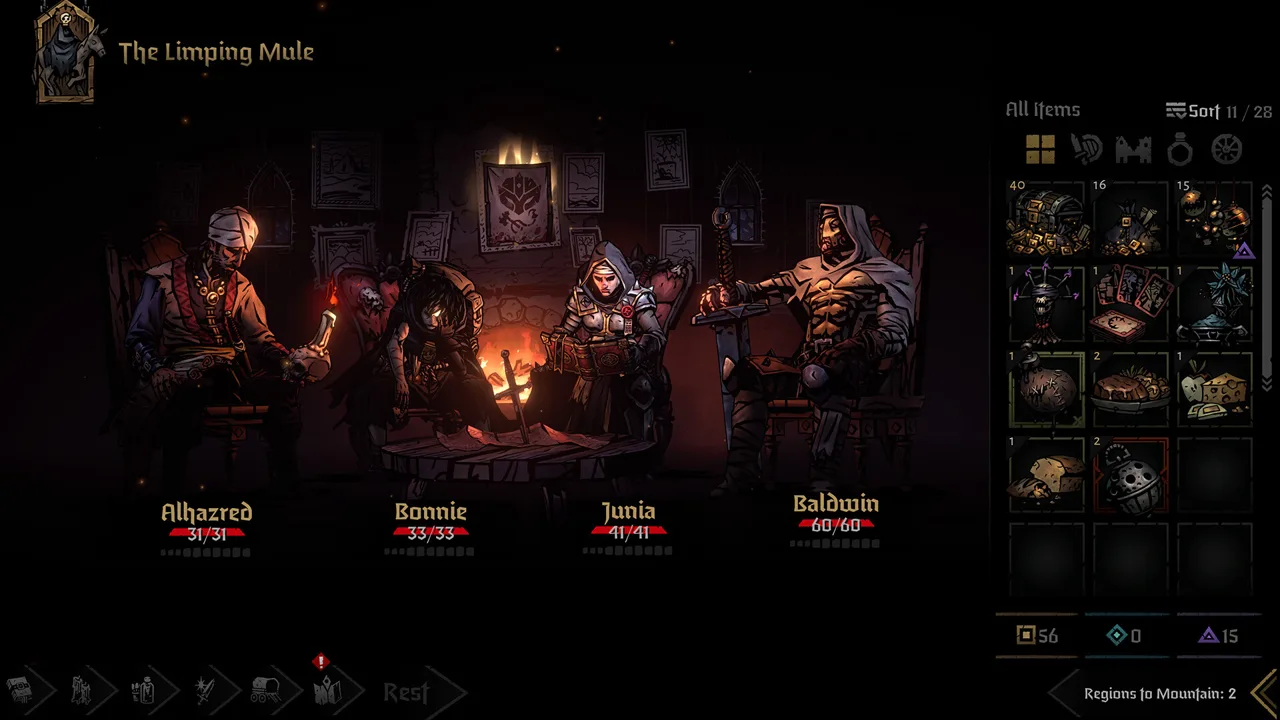 Image: Steam / Red Hook Studios
That makes party composition a practical puzzle. Your front line needs support, your damage dealers need access to useful targets, and displacement can disrupt an otherwise effective formation.
Build around coverage before chasing damage. Check which enemy ranks your party can reach, and include ways to protect vulnerable heroes or recover when positions change.
The token system makes many temporary advantages easier to read. Effects involving defense, evasion, weakness, and protection give you concrete problems to solve each turn. Sometimes the useful move is removing an obstacle to your next attack or preventing incoming damage.
The Leper illustrates that trade-off. His durability and heavy attacks come with restricted targeting and accuracy problems. Pair specialized heroes with teammates who compensate for their weaknesses. Filling every slot with an impressive attacker can leave the group unable to handle a particular formation.
Customization gives those decisions room to grow. Skills, hero paths, trinkets, combat items, and mastery upgrades change how a party functions. The appeal lies in making those pieces work together, then adjusting when an expedition offers something unexpected.
Long Runs and Randomness Are the Real Cost
Confessions expeditions can last from 30 minutes to several hours. That range deserves attention before buying: a failed opening attempt and a defeat near the Mountain carry very different emotional costs.
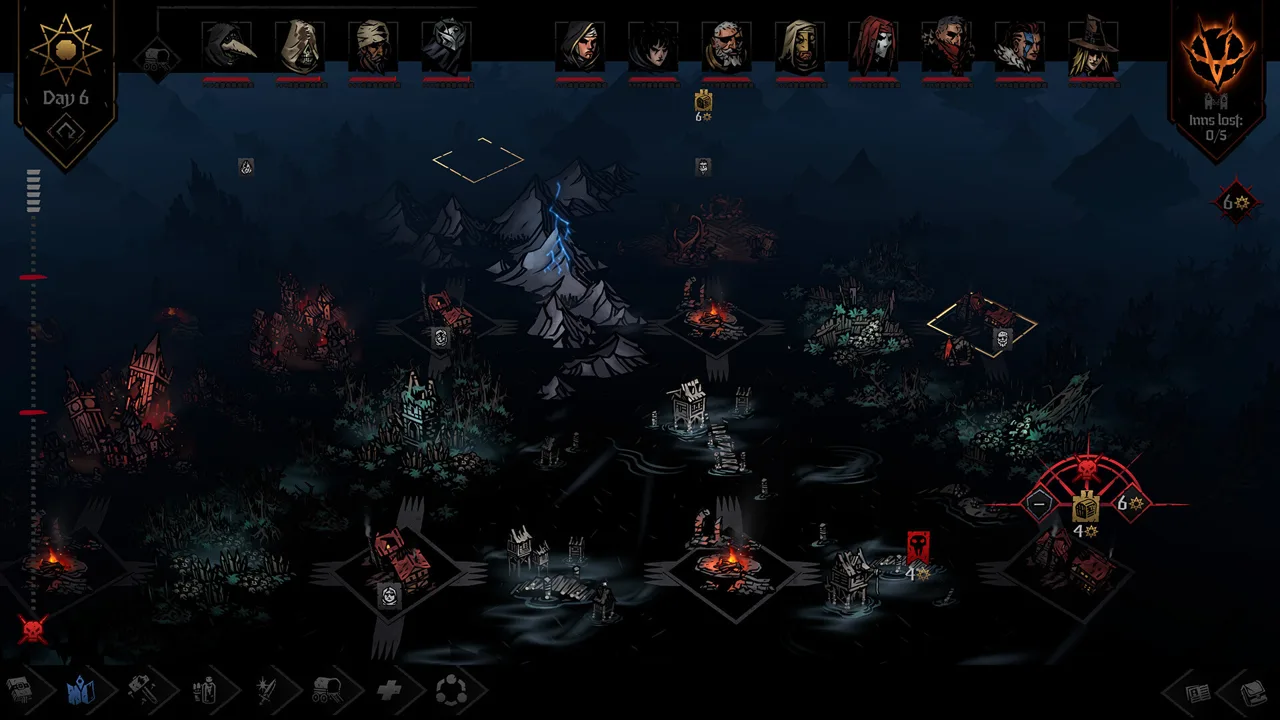 Image: Steam / Red Hook Studios
Repeated encounters and travel can also slow the pace. Increase animation speed if combat presentation starts stretching your sessions. It helps with the rhythm, although an extended expedition still involves a substantial sequence of decisions and battles.
Randomness adds pressure beyond enemy attacks. Route options, rewards, quirks, and relationships can complicate your plans. You have meaningful choices, but you cannot guarantee that the next region will supply the equipment your preferred build needs.
Choose routes around your party’s current condition. Weigh recovery opportunities, useful rewards, and dangerous encounters against the resources you actually have.
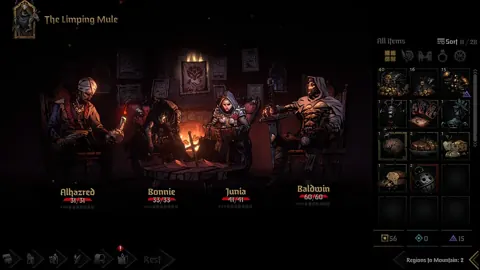
Stress and affinity deserve the same attention as health. Relationships can create helpful combat interactions or undermine a struggling team. Use inn opportunities to relieve stress and improve relationships before another region compounds the damage.
Progress between attempts softens failure. Candles fund permanent unlocks and improvements through the Altar of Hope, expanding your options for later expeditions. Hero Shrines unlock additional skills through character stories. Those systems give unsuccessful journeys a purpose, but the early hours can still feel restrictive while your options develop.
Kingdoms Adds a Different Reason to Return
Kingdoms changes the campaign structure around the combat. You manage a persistent roster, gather resources, defend a deteriorating realm, and follow a questline toward the source of an invading threat.
 Image: Steam / Red Hook Studios
That creates a different kind of pressure. Individual battles still demand careful positioning and resource use, while the campaign asks you to consider where your heroes are needed and how to sustain the wider defense.
Try Kingdoms if persistent roster management was what you missed in Confessions. It offers strategic continuity without requiring you to abandon the sequel’s combat systems. Its structure also gives returning players something substantial to explore beyond another attempt at the Mountain.
Three adventure modules are available:
- Hunger of the Beast Clan
- Secrets of the Coven
- Curse of the Court
Curse of the Court brings back the Crimson Courtiers and introduces a campaign threat involving the Crimson Curse. Containing its spread, finding a cure, and defeating the corrupted nobles give that adventure its own objectives.
Progress is tracked separately between Kingdoms and Confessions, and you can switch between active sessions of either mode. Keep both campaigns going if you enjoy alternating between expedition tactics and realm management.
Presentation Gives the Struggle Its Character
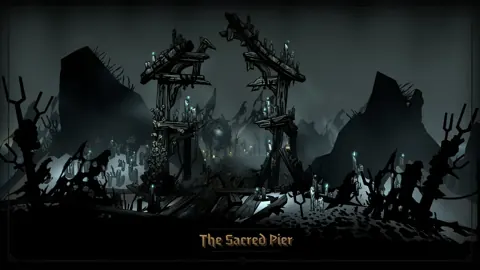
The move to 3D preserves the series’ heavy outlines and oppressive visual identity while giving attacks more weight and movement. The burning Sprawl and diseased Foetor make the journey feel hostile before a battle even begins.
Wayne June’s narration, Stuart Chatwood’s score, and Power Up Audio’s effects reinforce that atmosphere. A critical hit lands with enough force to make a narrow recovery feel dramatic, while the narration gives even routine adversity a theatrical edge.
That presentation matters in a game built around repeated attempts. You spend considerable time watching these heroes endure terrible situations; expressive animation and strong audio help make their victories satisfying.
What the Steam Version Offers
The Steam version includes practical features that matter when choosing where and how to play.
| Feature | Available support |
|---|---|
| PC operating systems | Windows, macOS |
| Controller support | Full controller support |
| Community customization | Steam Workshop |
| Cloud saves | Steam Cloud |
Workshop integration adds another avenue for experimentation through community-created modifications. Explore mods after learning the standard systems so you can choose changes that address your preferences.
For the purchase itself, focus on the combat and campaign structures already available. Buy if assembling parties, managing setbacks, and learning difficult encounters sounds rewarding. Wait for a sale if repeated attempts and lengthy expeditions are your main reservations. Check the current price and system requirements on the Darkest Dungeon II Steam page before committing.
Continue with
 Darkest Dungeon II Achievements: 100% Completion GuideTrack Darkest Dungeon II achievements with unlock requirements, rarity rates, DLC challenges, Kingdoms objectives, and a clear route to 100% completion.
More in Guide
Darkest Dungeon II Difficulty: How to Survive Each Act
Learn how Darkest Dungeon II difficulty scales across five Confessions, then prepare your party, manage stress, and counter each boss on the road ahead.
Darkest Dungeon II Grand Slam Guide: Team and Bosses
Plan your Darkest Dungeon II grand slam with a four-hero team, skill loadouts, boss tactics, and item priorities to clear five Confessions without deaths.
Darkest Dungeon II Guide: Survive Your Next Expedition
Use this Darkest Dungeon II guide to build a balanced party, manage stress, master combat tokens, and prepare for the Mountain with smarter route choices.
Darkest Dungeon II vs 1: Combat, Campaigns, and More
Darkest Dungeon II vs 1: Compare combat, campaign structure, progression, and Kingdoms mode to understand how each game handles your heroes and losses.
Continue exploring
Darkest Dungeon II Characters: Roster & Unlock Guide
Explore Darkest Dungeon II characters, the full hero roster, Confessions and Kingdoms unlocks, skill upgrades, and the Ringmaster's upcoming DLC arrival.
Darkest Dungeon II Reddit: Get Better Help and Builds
Use Darkest Dungeon II reddit searches to sharpen party builds, understand Confessions and Kingdoms, and ask better questions about combat and progression.
Join the community
Official channels for news, updates and player help: