Darkest Dungeon II vs 1: Combat, Campaigns, and More
Darkest Dungeon II vs 1: Compare combat, campaign structure, progression, and Kingdoms mode to understand how each game handles your heroes and losses.
Jump to
What’s the Difference Between the Two Games?
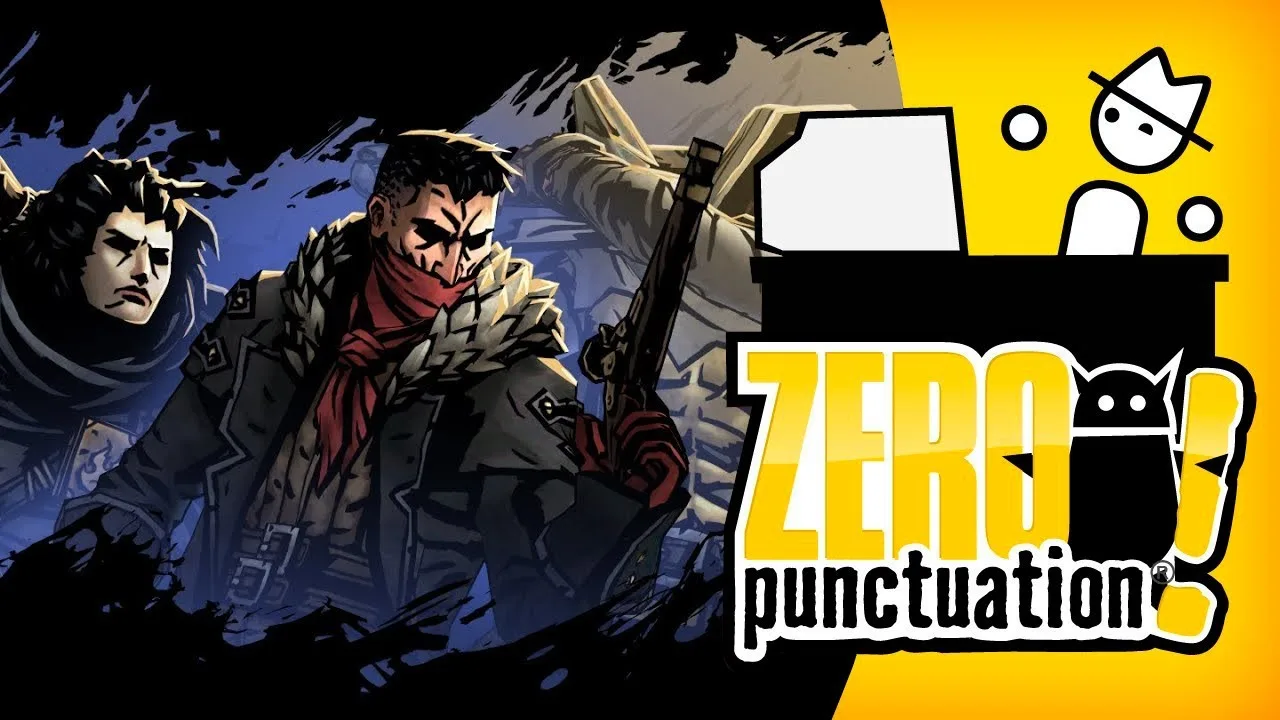
Darkest Dungeon II vs 1 comes down to campaign structure: the original centers on the Hamlet and a lasting roster, while the sequel’s Confessions mode follows four heroes on repeatable stagecoach expeditions. Both feature stressful, positional turn-based combat. Darkest Dungeon II also includes Kingdoms, a separate strategic campaign with persistent heroes.
That distinction changes what you’re protecting. In the original, an expedition serves a larger project: developing your settlement and keeping its adventurers alive. In Confessions, your attention stays on the current party, its relationships, and the road to the Mountain.
| Feature | Darkest Dungeon | Darkest Dungeon II |
|---|---|---|
| Campaign structure | Expeditions launched from the Hamlet | Confessions expeditions plus a separate Kingdoms campaign |
| Hero management | Maintain a roster across dungeon missions | Confessions centers on a four-hero traveling party; Kingdoms uses a persistent roster |
| Progression | Develop heroes, acquire equipment, and improve the Hamlet | Confessions uses the Altar of Hope alongside hero skill unlocks |
| Combat | Turn-based battles governed by party position | Positional combat with a Token System |
| Visual presentation | Stylized 2D artwork | Stylized 3D characters and animation |
Official page: Darkest Dungeon II (darkestdungeon.com)
The Hamlet Versus the Road to the Mountain
The original Darkest Dungeon makes preparation part of the attraction. You return to a familiar settlement, invest in its facilities, and decide which heroes can handle another assignment. Individual missions feed into a continuing campaign.
Confessions shifts that rhythm toward assembling a party and adapting during the journey. You equip a stagecoach, choose routes through hostile regions, and use inns as opportunities to recover and prepare.
Expeditions can last 30 minutes to several hours. The sequel’s expedition structure therefore doesn’t automatically mean brief play sessions: a successful journey can still demand substantial time.
Route selection also carries practical consequences. Your party needs resources and useful encounters, but the coach has its own condition to manage. Loathing and dangerous roads add pressure beyond the next battle.
Read the route before choosing a destination. Weigh the encounters along the way against your party’s condition and the stagecoach’s remaining durability. A tempting stop can become expensive if reaching it leaves the expedition struggling to continue.
Combat Keeps the Ranks and Adds Tokens
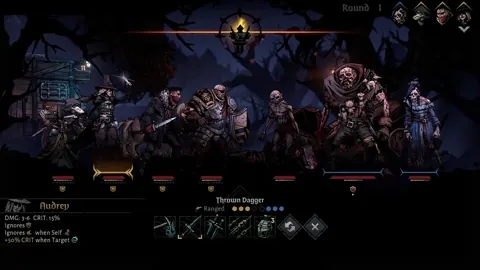
Both games make positioning central to combat. Heroes and enemies occupy four ranks, and a skill’s usefulness depends on where its user stands and which positions it can target. An attack that looks strong on paper still needs access to the enemy causing trouble.
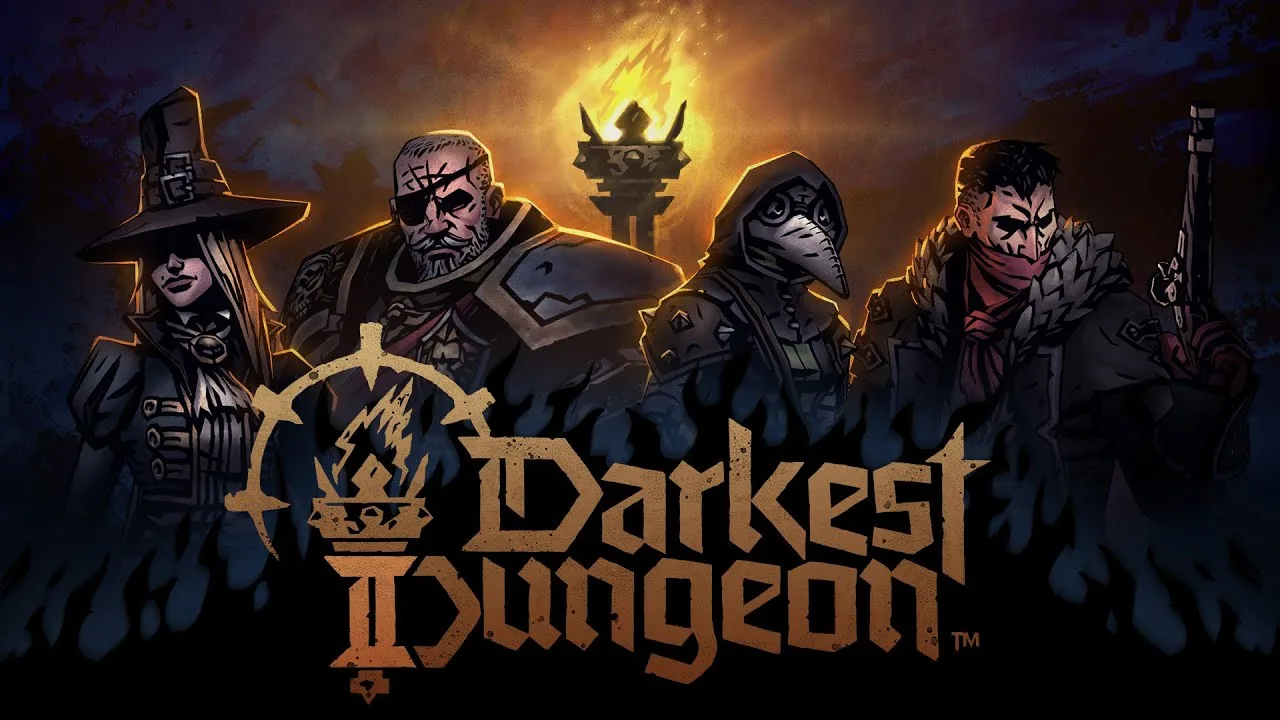
Darkest Dungeon II builds on that foundation with tokens that communicate effects such as Dodge and Weakness. These visible effects give you immediate problems to solve: which enemy should take the next hit, which hero needs support, and which action should happen before your damage dealer commits?
The tactical interest comes from connecting those decisions. Party movement, defensive effects, combo opportunities, and enemy corpses all affect what your next action can accomplish.
When assembling a party:
- Check target reach. Include skills that can threaten enemies in different ranks.
- Plan for displacement. Examine whether heroes can still contribute after being moved.
- Inspect tokens before attacking. Account for defensive effects and damage penalties when choosing a skill.
- Build around interactions. Connect protective skills, offensive abilities, and combo opportunities across the party.
Neither game’s positioning rules reward choosing four heroes solely for their individual damage.
Progression Changes What a Failed Expedition Costs
In the original, development is tied closely to your settlement, roster, and equipment. Losing an established adventurer threatens work invested across earlier missions. That continuing attachment gives a bad expedition consequences beyond its immediate rewards.
Confessions organizes progression around repeated attempts. Candles of Hope feed the Altar of Hope, opening upgrades and additional possibilities for future journeys. Failed expeditions can still produce resources that support later attempts.
Those unlocks include both direct improvements and a broader selection of options. Unlocking an item expands what can become available; it doesn’t guarantee that item will appear whenever your build needs it.
Hero skills add another progression track through Shrines of Reflection, where you explore character histories and unlock additional abilities. Paths provide further ways to shape a hero’s role.
Plan around the skills you currently have unlocked. Before committing to a party interaction, inspect each hero’s available abilities. Then adapt your equipment and mastery spending to what the expedition actually provides.
The sequel still involves repetition. Its emphasis shifts toward earning unlocks, learning encounters, and rebuilding parties across attempts.
Stress Now Feeds Into Party Relationships
Stress remains a threat in both games, but Darkest Dungeon II adds another layer through Affinity. Traveling companions can develop supportive bonds or become a liability to one another.
Relationships matter mechanically. Positive relationships can create combat synergies, while negative ones can attach harmful consequences to skills. Keeping everyone alive is only part of keeping the team functional.
Inns give you opportunities to relieve stress and influence relationships with items. Journey decisions also involve the heroes themselves, whose preferred responses can pull the party in different directions.
Consider relationship effects alongside immediate rewards. When choosing how to handle an encounter, account for what the decision does to the group. At the inn, use available stress relief and relationship items before setting out again.
This changes party building from a question of complementary roles into one of maintaining those roles under pressure. A powerful lineup still needs its members to work together.
The Art Moves Into 3D Without Losing Its Identity
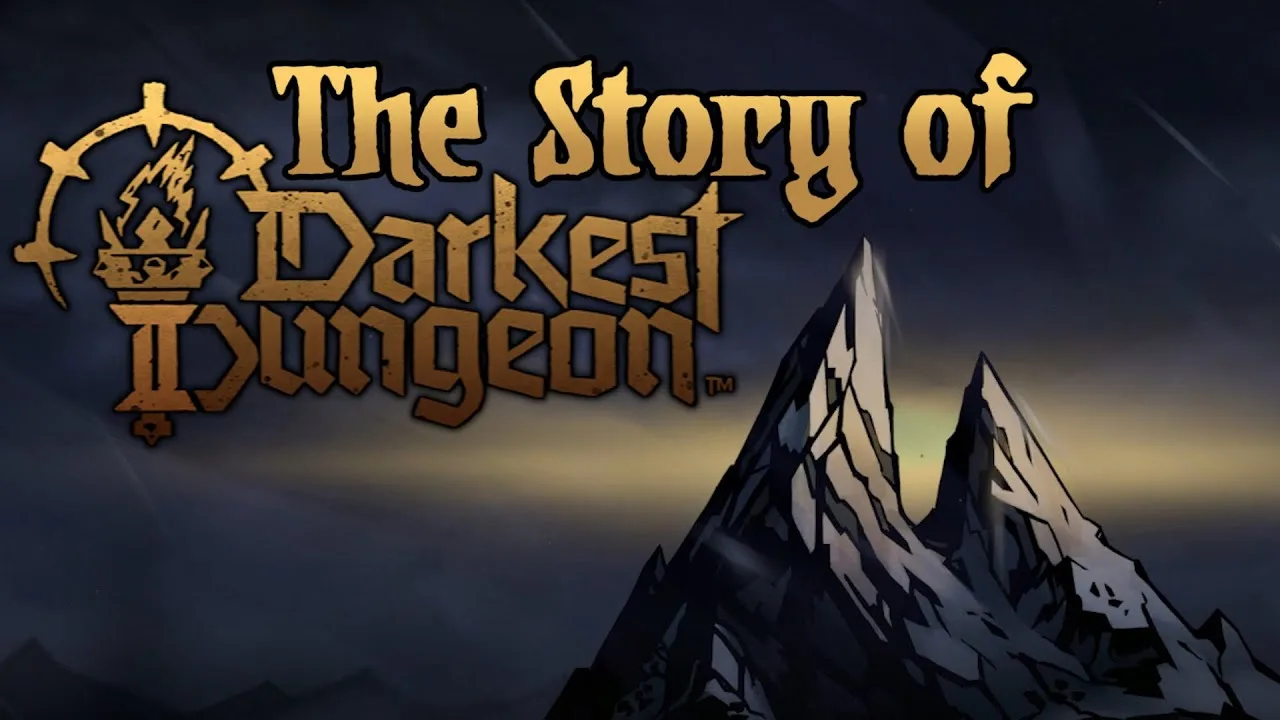
Darkest Dungeon uses stark 2D artwork, heavy outlines, and abrupt combat animation to make its battles feel like illustrated horror.
Darkest Dungeon II carries that visual language into 3D. Characters retain exaggerated silhouettes and deep shadows, while animation gives attacks, reactions, and movement more physical detail.
The audio also preserves familiar foundations. Wayne June returns as narrator, Stuart Chatwood supplies the score, and Power Up Audio handles sound effects. The surrounding structure changes considerably, but the ominous narration and oppressive atmosphere remain central to the experience.
Kingdoms Changes the Campaign Comparison
Darkest Dungeon II’s Kingdoms mode adds a separate strategic campaign alongside Confessions. You defend a deteriorating realm, gather resources, manage a persistent hero roster, and pursue the threat behind an invading faction.
That persistent roster matters when comparing the sequel with the original. Describing the entire sequel as disposable stagecoach runs leaves out a substantial part of its campaign options. Kingdoms has its own structure, while Confessions retains the expedition-based journey toward the Mountain.
Progress is tracked separately between the modes, and you can switch between active sessions of either.
The three available Kingdoms adventure modules are:
- Hunger of the Beast Clan
- Secrets of the Coven
- Curse of the Court
Curse of the Court brings back the Crimson Courtiers and the Crimson Curse, with objectives built around containing the contagion, finding a cure, and eliminating the corrupted nobles.
On Steam, the sequel also includes features relevant to how you play:
- Steam Workshop integration for downloading community mods or creating your own.
- Full controller support.
- Windows and macOS support.
If persistent hero management is the feature driving your comparison, examine Kingdoms alongside the original’s Hamlet campaign. Confessions answers a different desire: taking a carefully assembled party into an uncertain journey and reshaping its strategy as the road unfolds.
Continue with
 Darkest Dungeon II Worth It? Combat, Kingdoms & ValueIs Darkest Dungeon II worth it? Explore tactical combat, long runs, Kingdoms campaigns, and Steam features to decide whether this brutal sequel fits you.
More in Guide
Darkest Dungeon II Achievements: 100% Completion Guide
Track Darkest Dungeon II achievements with unlock requirements, rarity rates, DLC challenges, Kingdoms objectives, and a clear route to 100% completion.
Darkest Dungeon II Difficulty: How to Survive Each Act
Learn how Darkest Dungeon II difficulty scales across five Confessions, then prepare your party, manage stress, and counter each boss on the road ahead.
Darkest Dungeon II Grand Slam Guide: Team and Bosses
Plan your Darkest Dungeon II grand slam with a four-hero team, skill loadouts, boss tactics, and item priorities to clear five Confessions without deaths.
Darkest Dungeon II Guide: Survive Your Next Expedition
Use this Darkest Dungeon II guide to build a balanced party, manage stress, master combat tokens, and prepare for the Mountain with smarter route choices.
Join the community
Official channels for news, updates and player help: